Patient Z
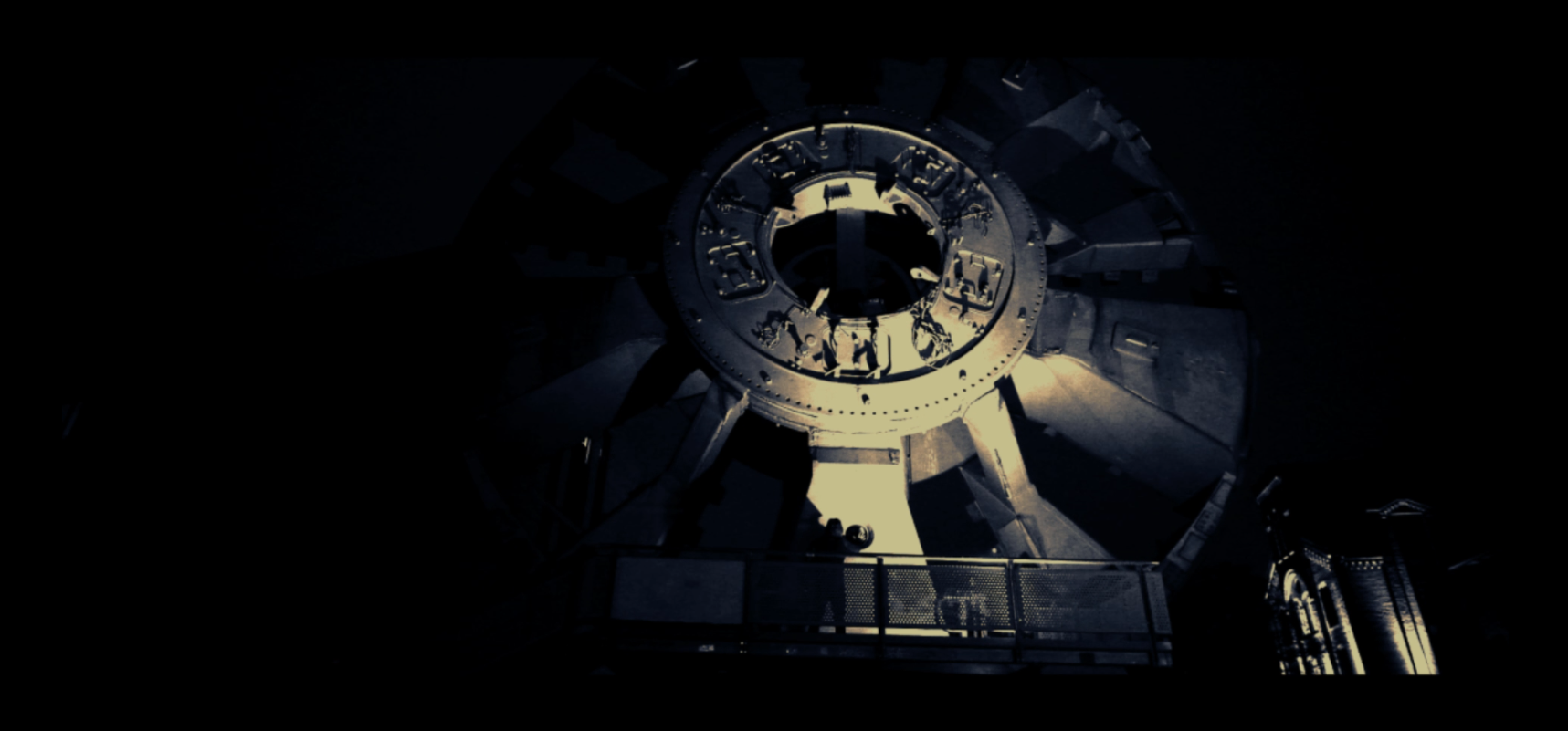
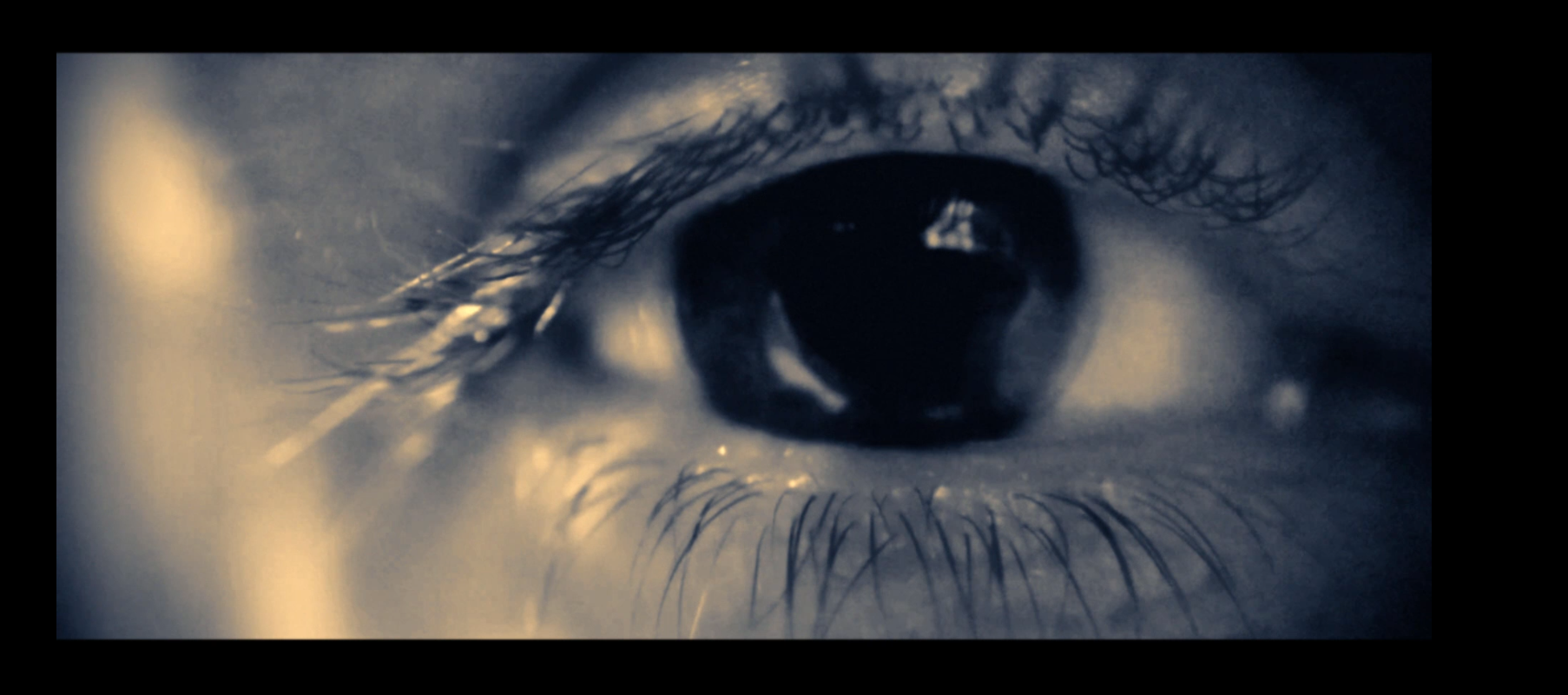
Patient Z operates within a restrained and atmospheric framework, placing emphasis on tone and visual presence over explicit narrative clarity. The film unfolds with a measured pace, allowing each shot to linger just long enough to establish a quiet sense of unease.
The use of framing and composition plays a central role, with images that feel deliberate and controlled, yet never overly explanatory. This restraint invites the viewer to engage more actively, piecing together meaning from suggestion rather than direct exposition.
There is an underlying tension throughout the film, sustained not through overt action but through subtle shifts in mood and expectation. Small details and moments that feel slightly out of place contribute to an atmosphere that is both immersive and quietly disorienting.
Rather than resolving into a clearly defined narrative, Patient Z remains intentionally open, functioning as an exploration of mood, ambiguity, and the expressive potential of minimal storytelling.